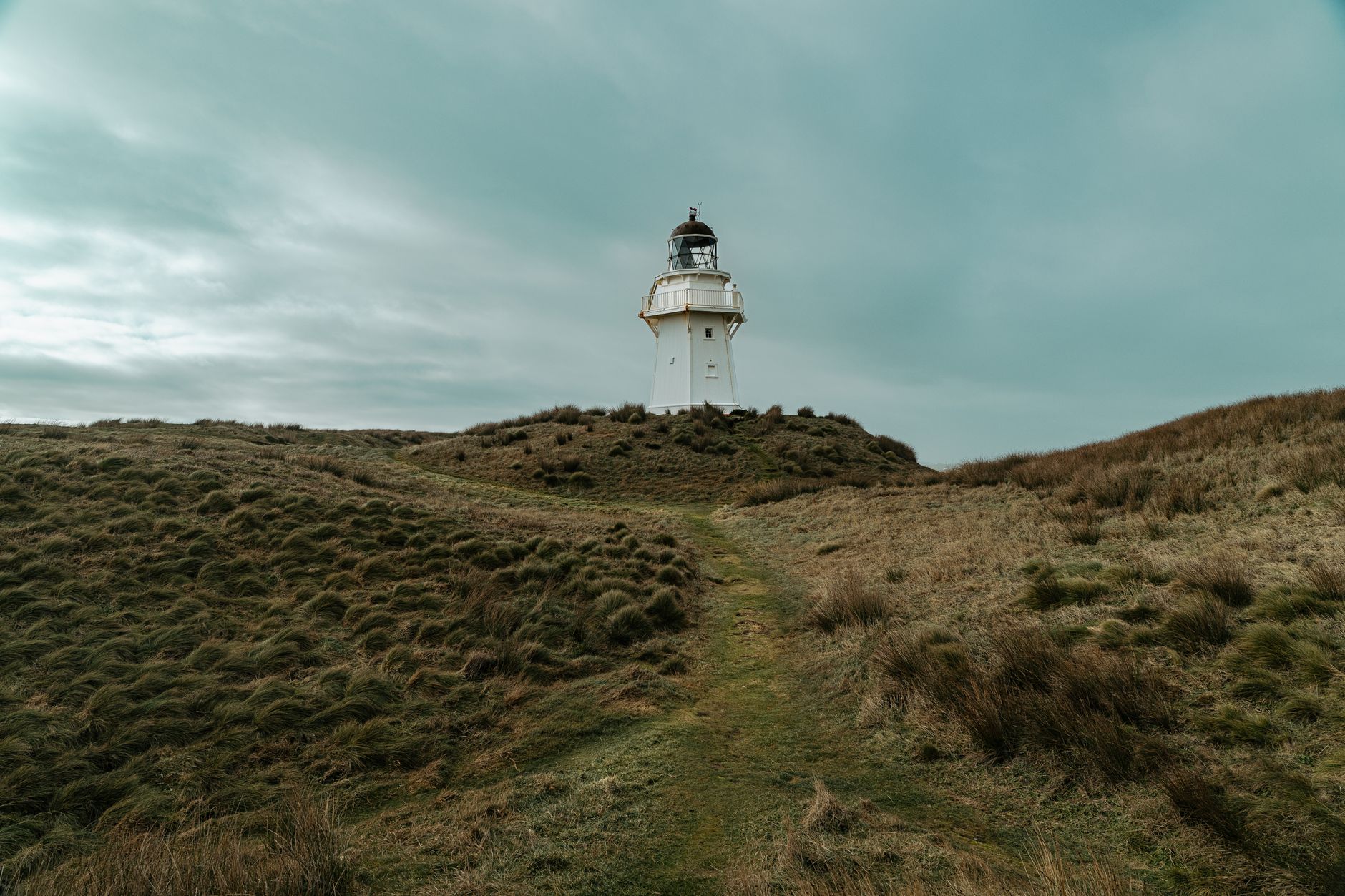
Any honest travel guide to New Zealand will tell you right off the bat: the North and South Islands feel like two different world altogether. Visitors often try to squeeze both into just two weeks, which usually leaves them wiped out on a bus between Christchurch and Queenstown, barely scratching the surface. Instead, it’s way smarter to treat each island as a separate trip. Sure, that might mean returning another time, but trust me, it’s worth it.
The scale of this country surprises a lot of folks. The South Island spans about 150,437 square kilometers, larger than England. In contrast, the North Island is a more manageable 44,281 square kilometers but is packed with Māori culture, geothermal wonders near Rotorua, and an impressive food scene in Wellington. So, neither island is just a warm-up for the other.
North and South Island Highlights
The North Island is where most international flights land, and many travelers make the rookie mistake of rushing through it just to get to the South. Don’t do that! Auckland is okay for a day or two, but places like Northland’s beaches and the Coromandel Peninsula are definitely worth taking your time to explore. Now, Rotorua is known for its sulfur smell and touristy vibe, but the geothermal pools and Māori hangi dinners are well worth checking out.
Wellington, at the southern tip of the North Island, is compact and easy to walk around, and, in my opinion, it has better coffee than Auckland. The Te Papa museum is free and surprisingly interesting, which you don’t find often in national museums. Make sure you budget a full day for it.
On the other hand, the South Island is home to the breathtaking scenery. Fiordland, the Remarkables near Queenstown, and the stunning glaciers at Franz Josef offer some of the most amazing views. However, the distances between these sights can be deceiving; don’t underestimate them. For example, it takes around five hours to drive from Franz Josef to Queenstown on a good day, and the roads are narrow and twisty. If you’re planning on hiring a campervan, definitely include some buffer days in your itinerary.
- North Island focus: culture, geothermal sites, wine (Hawke’s Bay and Martinborough)
- South Island focus: alpine views, Great Walks, adventure activities
- Ferry: Picton to Wellington takes about 3.5 hours, fills up in summer
- Domestic flights: Auckland to Queenstown is about 2 hours, usually NZD 80–150 when booked early
Best Time to Visit and Getting Around
From October to April is the typical recommendation, and it holds up pretty well. The summer months (December–February) can be hot and crowded, with Great Walks fully booked and campgrounds overflowing. The shoulder months—October–November and March–April—offer decent weather and significantly fewer people. If I had to choose, I’d pick March for the South Island over January any day.
Getting around without a car can be slow. Intercity buses connect major spots, but they typically run once daily on many routes, so the timetables don’t always synchronize well. Renting a car or campervan gives you a ton of flexibility. For comparison, campervan rentals usually cost about NZD 100–200 each day, depending on the season and size. Fuel prices are high by North American standards, around NZD 2.80–3.00 per liter, so keep that in mind.
For longer trips, domestic flights can be a lifesaver. Taking a direct flight from Auckland to Queenstown can save you around two days of driving plus ferry costs. Airlines like Air New Zealand and Jetstar cover the main routes, so book six to eight weeks in advance for the best rates.
Budgeting and Booking Early
If you’re looking for a mid-range daily budget in New Zealand, expect to pay around NZD 150–250 per person. This would cover a private room in a hostel or a budget motel, one sit-down meal, fuel, and one paid activity. If you’re camping at DOC sites—legal at over 800 designated spots—you can cut that cost significantly. The DOC CampMaps app is pretty handy for finding current site availability and rules.
The Great Walks are a major booking trap. There are nine of them, including Milford Track, Routeburn, and Abel Tasman, with bookings opening on July 1 each year for the upcoming summer season. Milford Track can sell out in just hours. If a Great Walk is on your bucket list, set a reminder for July 1 and be ready at the DOC booking portal right at 8 a.m. NZST. Miss that, and you’ll have to wait an entire year or hope for cancellations.
Travel insurance is a must. This is partly because adventure activities are everywhere here, and while ACC (the national accident scheme) covers some costs for injuries, it doesn’t cover everything, especially not evacuations. A standard policy with medical evacuation typically costs about NZD 80–150 for a three-week trip coming from most Western countries.
This travel guide to New Zealand really hammers home the same point: slow down and book everything early. Patience pays off here, and not having accommodation lined up in January is a fast track to disappointment.
FAQs
What is the best time to visit New Zealand?
October to April provides summer and shoulder seasons with the best weather. March and April are especially nice for avoiding crowds while still enjoying comfortable temperatures.
Do I need a visa to travel to New Zealand?
Citizens of about 60 countries can visit without a visa for up to 90 days, but most need an NZeTA (electronic travel authority) for NZD 23, which must be applied for online before travel.
Is New Zealand expensive for tourists?
Yes, it’s on the pricier side. Mid-range travelers usually spend around NZD 150–250 each day, but freedom camping and self-catering can help lower that cost significantly.


1 Comments