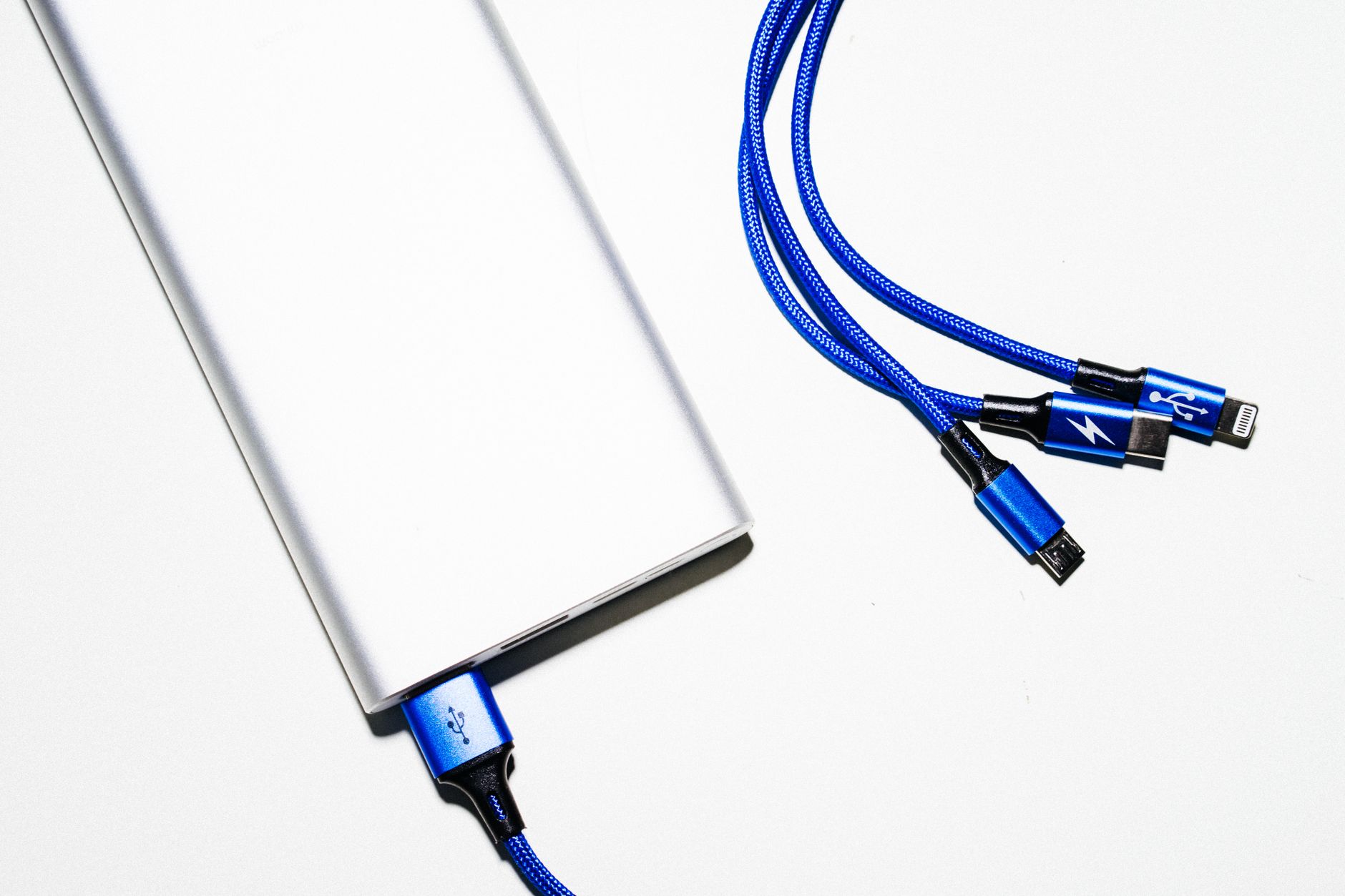
A friend pointed this out to me recently: despite everything, micro usb is still everywhere. Not glamorous, sure, but it refuses to die quietly. USB-C is clearly winning new ground, yet a huge chunk of everyday tech still runs on micro usb connectors introduced back in 2007.
Micro USB History
Micro usb didn’t appear from nowhere. It grew out of earlier USB specs that were simply too bulky for slim phones and portable gadgets. When it landed in 2007, one genuinely useful feature was that it plugged in either way up, which sounds minor until you’ve fumbled with a cable in the dark. Manufacturers picked it up fast, and cable prices dropped quickly as supply exploded. By 2014 the European Union had made micro usb the mandatory charging standard for smartphones, which locked in its dominance for years.
Current Usage Numbers
Even now, from what I’ve seen across client projects and personal devices, micro usb is far from rare. Roughly 60% of smartphones still rely on it for charging and data, which works out to around a billion active devices. Cables run about $5 on average, which is part of why budget device makers keep using it. Micro usb 3.0 supports charging at 900mA, a real step up from earlier versions, though it can’t match what USB-C delivers on speed or power.
Micro USB vs Other Connectors
Stack micro usb next to USB-C and the gap is obvious. USB-C handles power delivery up to 100W, transfers data faster, and works across a wider range of device types. It’s reversible too, same as micro usb. Apple’s Lightning connector is also reversible and generally quicker on data transfer, but it only works with Apple hardware. Micro usb loses on raw performance (I’ll admit that plainly), but it wins on sheer device compatibility, and that still counts for a lot.
Why Micro USB Still Works
The main pull is cost. Cables are cheap, replacements are everywhere, and you can find one at a petrol station at midnight if you need to. Compatibility matters too. With roughly a billion devices still using micro usb, the odds of finding a spare cable when yours dies are pretty good. For anyone keeping older hardware alive, it means you don’t have to buy new kit just to charge something.
What Comes Next
Micro usb isn’t about to vanish this year. The installed base is just too large. But as more manufacturers default to USB-C, micro usb will gradually disappear from flagship and mid-range devices in wealthier markets. Budget phones and accessories in price-sensitive regions will likely hold onto it longer. So it sticks around, probably for another few years at least, then fades rather than falls.
Where Micro USB Stands Now
More than 15 years in, micro usb is still doing real work. Around 60% of smartphones use it, cables cost next to nothing, and the compatibility pool is enormous. It’s not leading anymore, and USB-C will keep eating into its share. But for the people and devices that depend on it today, micro usb is doing exactly what it needs to do.
FAQs
What devices still use micro usb?
Older smartphones, many Bluetooth accessories, budget tablets, and various peripherals still use micro usb for charging and data transfer.
Is micro usb faster than USB-C?
No. Micro usb 3.0 charges at 900mA, but USB-C supports far higher power delivery and quicker data transfer speeds.
How do I fix a micro usb connection issue?
Check the cable for visible damage and gently clean the port, then test with a different cable to narrow down the fault.