
Color Perception
Surprisingly, studies show that color combinations can be seen as either harmonious or clashing, depending on one’s cultural background and life experiences. The pairing of green and blue is a perfect example of this phenomenon. Some folks view them as complementary, while others may feel they simply clash. When diving into the details of color theory, cultural meanings, and psychological effects, it becomes clear how nuanced this relationship is.
I’m often amazed at how much our emotions can sway based on something as simple as color. How we perceive whether green and blue match depends on context.
Basics of Color Theory
Color theory provides a solid foundation for understanding how colors interact. The color wheel helps visualize the relationships between colors. It categorizes hues into primary, secondary, and tertiary types. Green, for instance, is a secondary color formed from blue and yellow, while blue stands alone as a primary color. This connection makes them more likely to complement each other when used carefully.
In practical terms, both colors evoke calm and tranquility. When blended, they can create refreshing environments that feel either invigorating or soothing, depending on their specific tones. A bright teal, for example, offers an energetic vibe, whereas muted shades can feel soft and cozy.
Color Meanings Across Cultures
Colors carry various meanings across cultural lines, adding layers to their pairings. In many Western cultures, blue represents trust and stability, while green is linked to nature and growth. However, some Eastern cultures associate blue with mourning, whereas green symbolizes fertility and prosperity.
These variations show that perceptions of color combinations like green and blue can differ wildly. Knowing the cultural significance helps you understand how a pairing might be received in different design contexts. For designers and marketers, this awareness can shape more effective color choices that truly resonate.
Psychological Impact of Colors
The psychological effects of color combinations can really shape our feelings. When used together, green and blue can evoke tranquility and security, but care is needed; otherwise, they might feel disconnected. From what I’ve seen, colors strongly affect mood, so being aware of their emotional impact is vital when considering this pairing.
Light blues paired with soft greens can create relaxing spaces, which work well in areas meant for rest. Conversely, darker shades can bring a heavier tone to a room. Choosing specific shades of blue and green is essential, as their psychological impact can vary dramatically.
Successful Design Pairings
There are many great examples where green and blue intertwine beautifully. In graphic design, tons of brands use this combo to convey reliability and freshness. Take Twitter, for instance; they often combine various blues with green accents to suggest connection and growth.
In web design, a blue background with green buttons can attract attention without feeling overwhelming. The trick is to maintain balance; too much of one color can overshadow the other.
Fashion Uses of Green and Blue
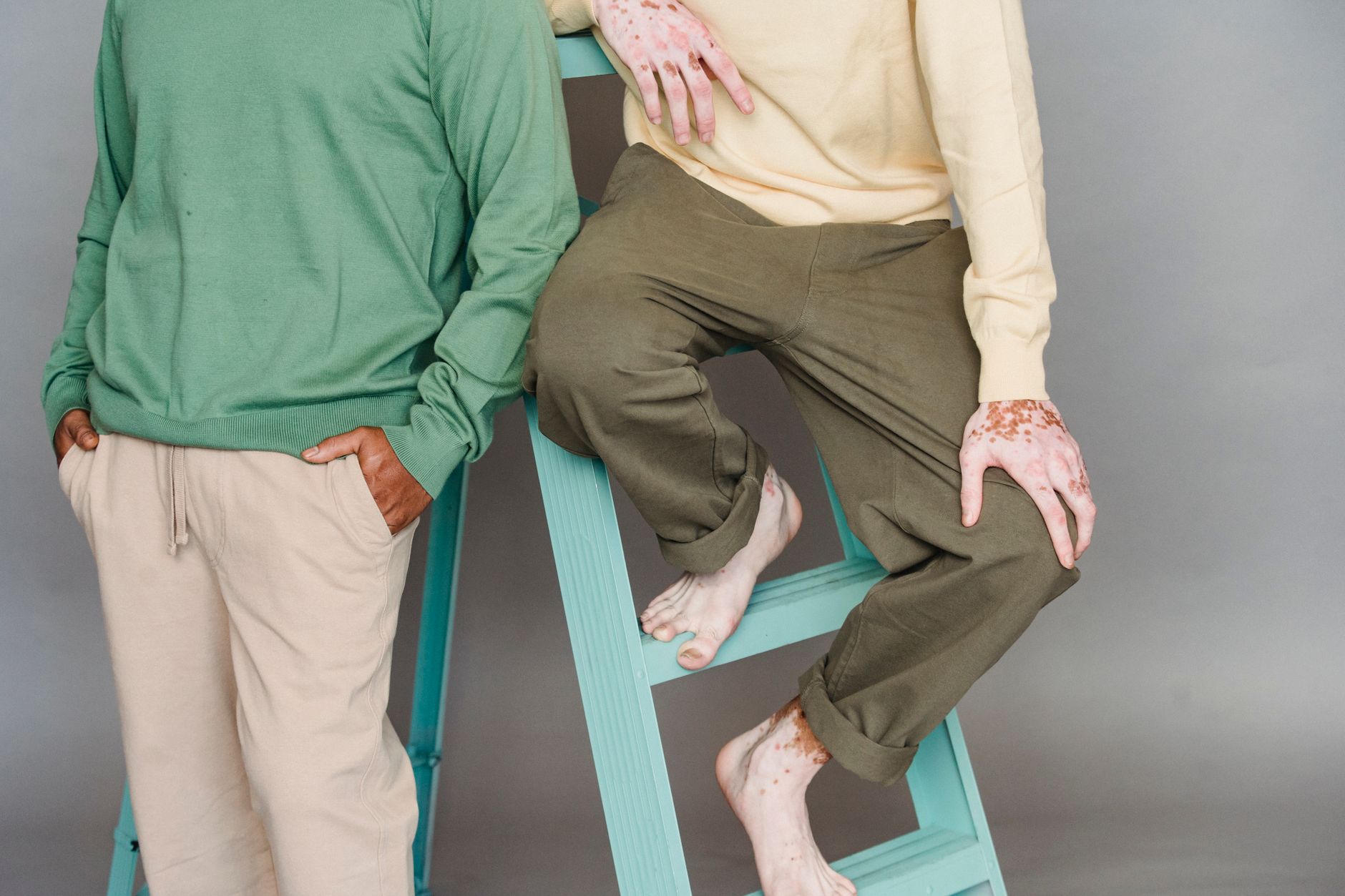
In fashion, green and blue can create striking yet sophisticated outfits. A classic look might be a navy blazer paired with a soft green shirt. This combination adds depth and interest without feeling chaotic. Lately, I’ve noticed trends like mint green skirts with cobalt blue tops – they offer a fresh take on this pairing.
Accessories really play a role, too. I’d suggest mixing a blue handbag with green shoes for a modern, trendy look. It’s all about finding shades that enhance rather than compete.
Interior Design Ideas
When it comes to interior design, green and blue can transform any space into a calming haven. For example, a living room featuring blue walls and green accents, like cushions or artwork, can create a warm, inviting atmosphere.
Recent trends show that green plants against blue-toned walls are gaining popularity. They breathe life into spaces without overwhelming them. Think about using lighter blues with darker greens, or the other way around, to create depth. Layered textures and patterns can also help these colors meld seamlessly within a room.
Does Green and Blue Match?
So, does green and blue match? Well, of course! When applied thoughtfully, they can coexist beautifully. By mastering color theory, understanding cultural meanings, and knowing psychological impacts, we appreciate how these colors work together. They shine in many settings, from fashion to interior design, especially when you consider the tones used.
FAQs
Do green and blue clash?
No, green and blue usually don’t clash. They can really complement each other well if you pick the right shades.
What colors go well with green and blue?
Colors like white, gray, and yellow pair nicely with green and blue, boosting their vibrancy while keeping balance.
Can I use green and blue in my home decor?
Absolutely! Using green and blue in home decor creates a calming, refreshing atmosphere in any room.


1 Comments