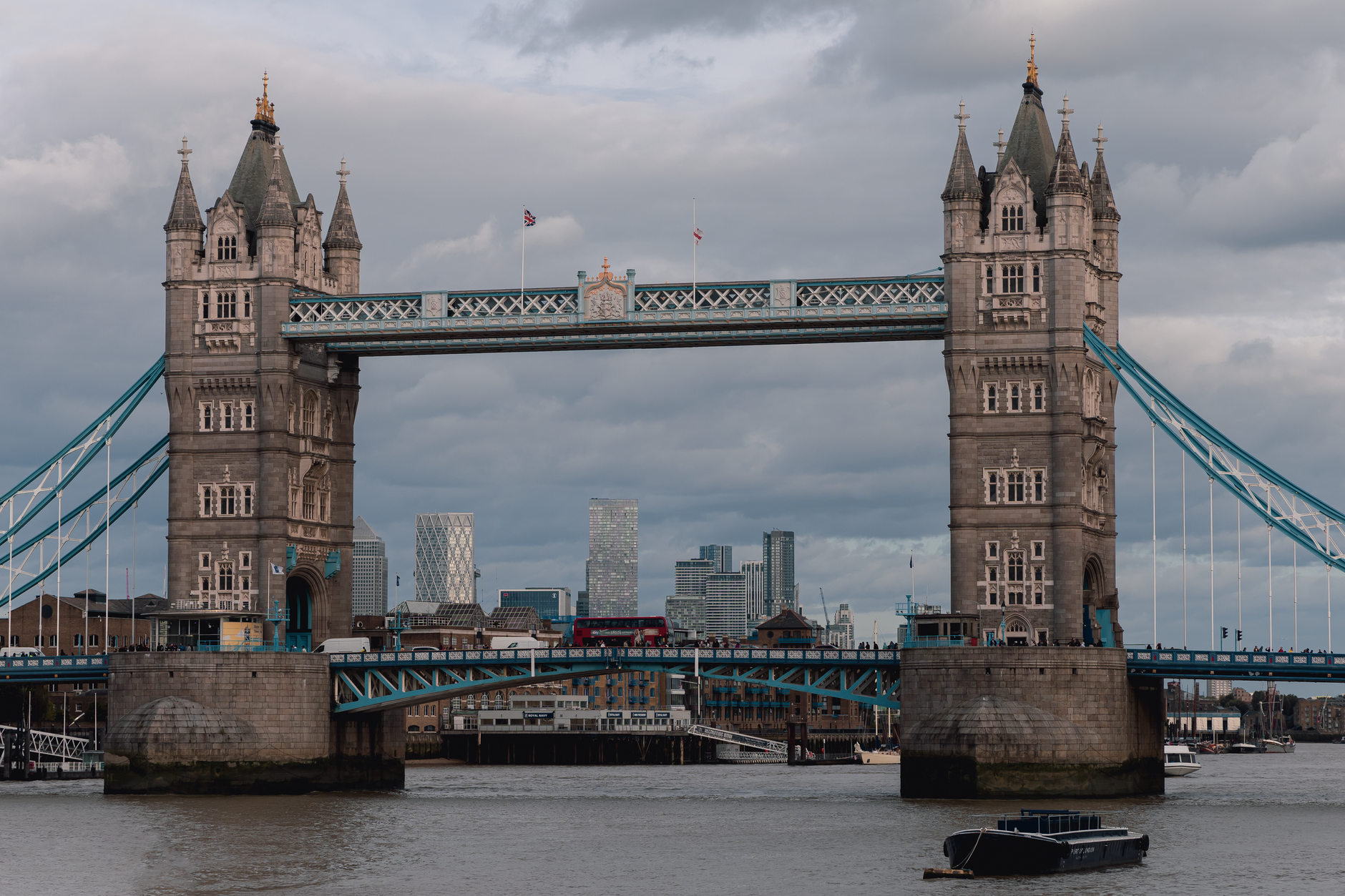
You think you know England? Think again. Big Ben and Buckingham Palace get all the attention, but the real character of the country hides somewhere else entirely. I found that out firsthand in a cobblestone town I’d barely heard of before booking the train ticket, and it completely reset my expectations for what the Best Things To Do In England actually means.
Start somewhere most people skip. Aysgarth in the Yorkshire Dales, for instance, has waterfalls that stop you mid-stride and locals who’ll chat over tea like you’ve known them for years. No tour buses, no queues, just genuinely good scenery and a pub lunch that costs about £12. Small, yes, but it delivers.
Explore Charming Small Towns
Knaresborough is worth a detour, with its castle sitting above the River Nidd in a way that feels almost theatrical. Rye in East Sussex is another one I’d push, all crooked medieval streets and a seafaring past you can still smell in the air. Neither town will drain your wallet either. A reasonable day out, meals included, runs £50 to £100 depending on how much you want to eat and drink.
What I’d tell anyone is to just walk. Skip the paid attractions for a morning and see what you find on foot. That’s usually where the good stuff is.
Unique Historical Sites
England’s history runs genuinely deep, and the lesser-visited sites make that clear fast. Tintagel Castle in Cornwall, built into cliffs above the Atlantic and tied to Arthurian legend, is one of those places that hits harder in person than in any photo. I wasn’t expecting the scale of it. Entry fees across most historical sites range from free to around £15, and many include guided tours that turn a pile of old stones into something you actually remember.
Avebury’s stone circles are free to walk through, which still surprises me a little. The Roman baths in Bath cost more but they’re worth it, especially if you go early before the crowds arrive. (Midweek mornings are genuinely quieter.)
Culinary Delights to Savor
English food gets an unfair reputation. Every region has something worth eating, and the best discoveries happen well away from the tourist menus. In the Cotswolds I had a shepherd’s pie in a small bistro that I’m honestly still thinking about, made with lamb from maybe twenty miles away.
Borough Market in London is the obvious pick for food lovers, and it earns that reputation. But farmers’ markets in smaller towns often have better prices and less competition for the good stuff. Budget roughly £5 to £20 per meal, depending on whether you’re grabbing a pasty or sitting down properly. And order whatever the local ale is. Most regional brews are better than anything you’d find in a chain pub.
Nature and Outdoor Adventures
The Lake District gets crowded in summer but it’s hard to argue with the scenery. Trails range from flat lakeside walks to proper mountain hikes, so you can pick your level. Go in early autumn if you can, the light is better and the paths are less packed.
Norfolk Broads is one of the Best Things To Do In England if you want something slower-paced. Kayak or canoe rental runs about £15 to £30 for a few hours, and the wildlife spotting alone makes it worthwhile. I’m not certain every operator includes life jackets in that price, so it’s worth checking before you book.
Cycling between villages is genuinely underrated too. Several towns have rental shops, and most routes are flat enough to be manageable even if you haven’t been on a bike in years.
Planning Your Itinerary
Spring and early autumn are the sweet spots for weather and crowd levels. Summer’s fine if you’re going for the festivals, which are often brilliant, but popular sites get genuinely hectic. Winter has its own pull, particularly around Christmas markets in places like Bath and York, where the whole thing feels slightly theatrical in a good way.
Train passes are worth looking at if you’re covering ground. Most of England’s smaller gems connect reasonably well by rail, and a BritRail pass can cut costs if you’re moving around a lot. Check the routes before you commit though, because some rural spots still need a bus or taxi from the nearest station.
What England Gets Right
The Best Things To Do In England aren’t all in London, and they’re not all on the tourist trail either. The small towns, the cliffside ruins, the regional food, the rivers you can actually paddle down — that’s where the country makes its case. Get off the main route at least once. You’ll figure out pretty quickly that the version of England most people talk about is only half the story.
FAQs
What are the best hidden gems in England?
Aysgarth, Tintagel Castle, Knaresborough, and the Norfolk Broads all offer real character with noticeably fewer visitors than the headline attractions.
How much does it cost to visit these attractions?
Most historical sites charge between free and £15 entry. Daily spending on meals and accommodation typically runs £50 to £100.
When is the best time to explore England?
Spring and early autumn offer the best balance of weather and manageable crowds. Summer suits festival-goers; winter is best for Christmas markets.


1 Comments