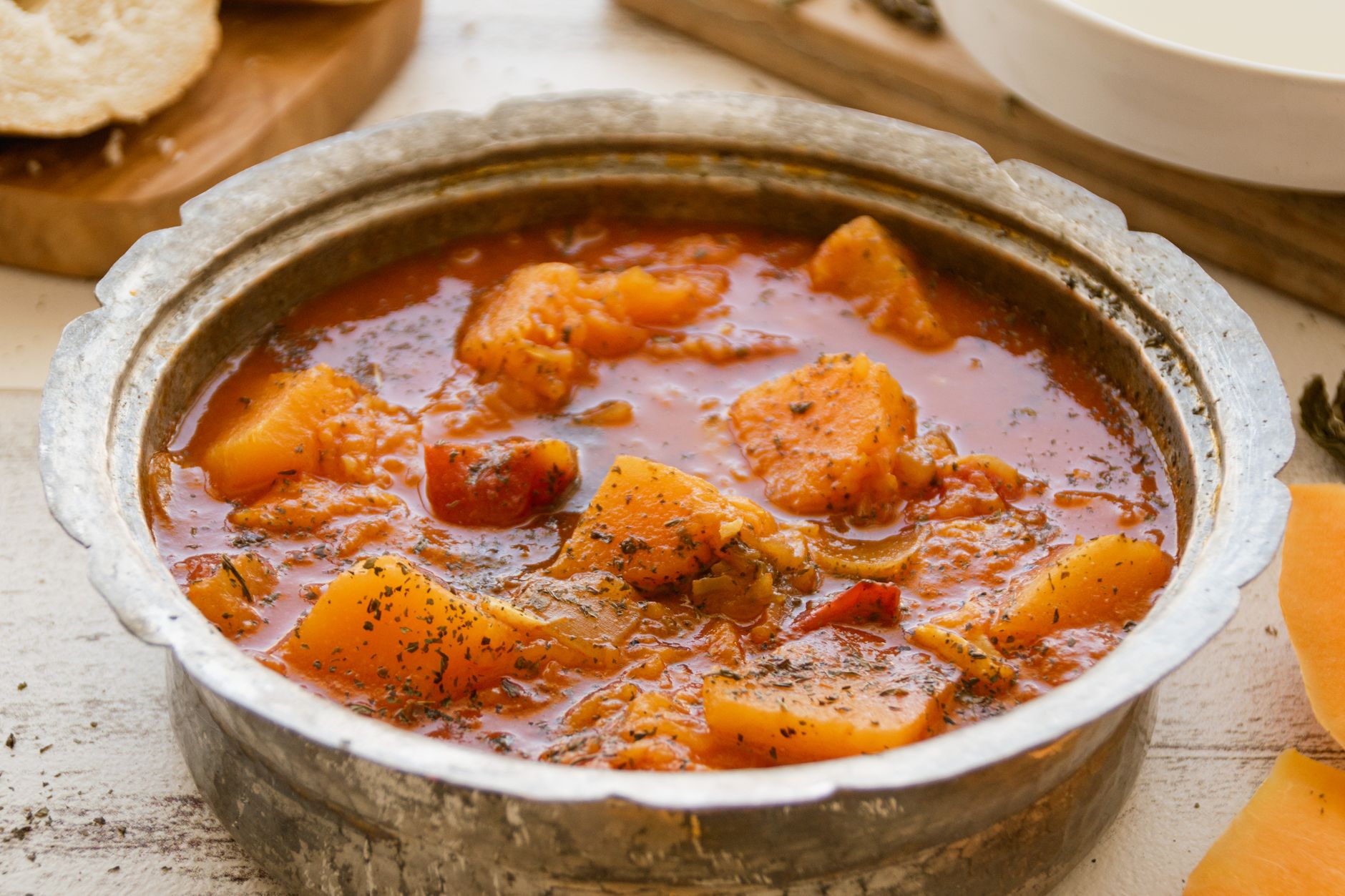
As autumn rolls in, I find myself craving a steaming bowl of something warm almost daily. Healthy Fall Soups And Stews aren’t just comforting; they’re genuinely one of the easier ways to hit your vegetable and protein targets without cooking five different things on a Sunday afternoon.
Getting creative with fall produce also makes weeknight dinners surprisingly low-effort. With the right seasonal vegetables and some decent protein, you can cook one big batch and eat well for most of the week.
Best Fall Vegetables for Soups
Butternut squash is probably the standout ingredient of the season. It clocks in at around 63 calories per cup, and its peak runs September through November, so it’s fresh, cheap, and everywhere. I’d say it’s the easiest vegetable to build a soup around because it practically melts into a creamy base on its own.
Other solid fall options worth keeping on hand:
- Sweet potatoes
- Carrots
- Root vegetables like parsnips and turnips
- Leafy greens such as kale and Swiss chard
Most of these run $1 to $3 per pound, which makes them easy on the grocery bill. A white bean soup with kale, for example, delivers roughly 11g of fiber per serving, which means you stay full well past lunch. One thing I’ve noticed: slow cooker stews retain significantly more nutrients than boiling vegetables hard, so if you have a few hours, that method’s worth using.
Protein and Broth Choices
Good Healthy Fall Soups And Stews need a protein anchor, otherwise they’re just vegetable water. Lentils are my go-to; a cooked cup gives you around 18g of protein, and a one-pound bag (usually $1 to $2) stretches across several meals. They also thicken the broth naturally, which is a nice bonus.
Bone broth is another option worth considering. One serving contains about 10g of collagen protein, and it adds a depth of flavor that regular chicken stock doesn’t quite match. Pre-made quarts run $3 to $5 at most grocery stores, though I’ll be honest: making it at home from leftover bones is a bit of a project. Worth it if you have the time, but I wouldn’t stress about it otherwise.
Beans round things out nicely. Mixing lentils and white beans in the same pot gives you a substantial, satisfying texture, and neither one costs much.
Storage and Weekly Meal Use
A full pot of vegetable stew typically costs $8 to $12 in ingredients and yields about six servings, so the math works out well. When I make a batch on a Sunday, I portion it straight into individual containers before it even cools. That way, reheating during the week takes about two minutes and requires zero thinking.
Healthy Fall Soups And Stews keep in the fridge for four to five days without any real quality loss. Beyond that, freeze them. Most soups hold up fine for up to three months in the freezer, and pulling out a ready portion on a chaotic Wednesday night feels like a small victory. The only soups that don’t freeze well, in my experience, are ones with a lot of cream or potato chunks, both of which get a bit grainy after thawing.
Make a Batch This Week
If you’ve been putting off getting into a soup routine, fall is genuinely the best time to start. The produce is good, the prices are reasonable, and the format is forgiving (hard to really ruin a vegetable stew). Pick one recipe, make a double batch, and see how much easier the rest of your week gets. Healthy Fall Soups And Stews reward the effort more than almost any other meal category I can think of.
FAQs
How long do homemade fall soups last in the fridge?
Stored in airtight containers, most homemade fall soups stay good for four to five days.
Are fall soups good for weight loss?
Generally yes, since they tend to be low in calories and high in fiber, which helps you stay full without overeating.
What is the healthiest thickener for soups and stews?
Pureed vegetables, lentils, or blended beans work well; they thicken the soup while adding fiber and nutrients instead of empty calories.