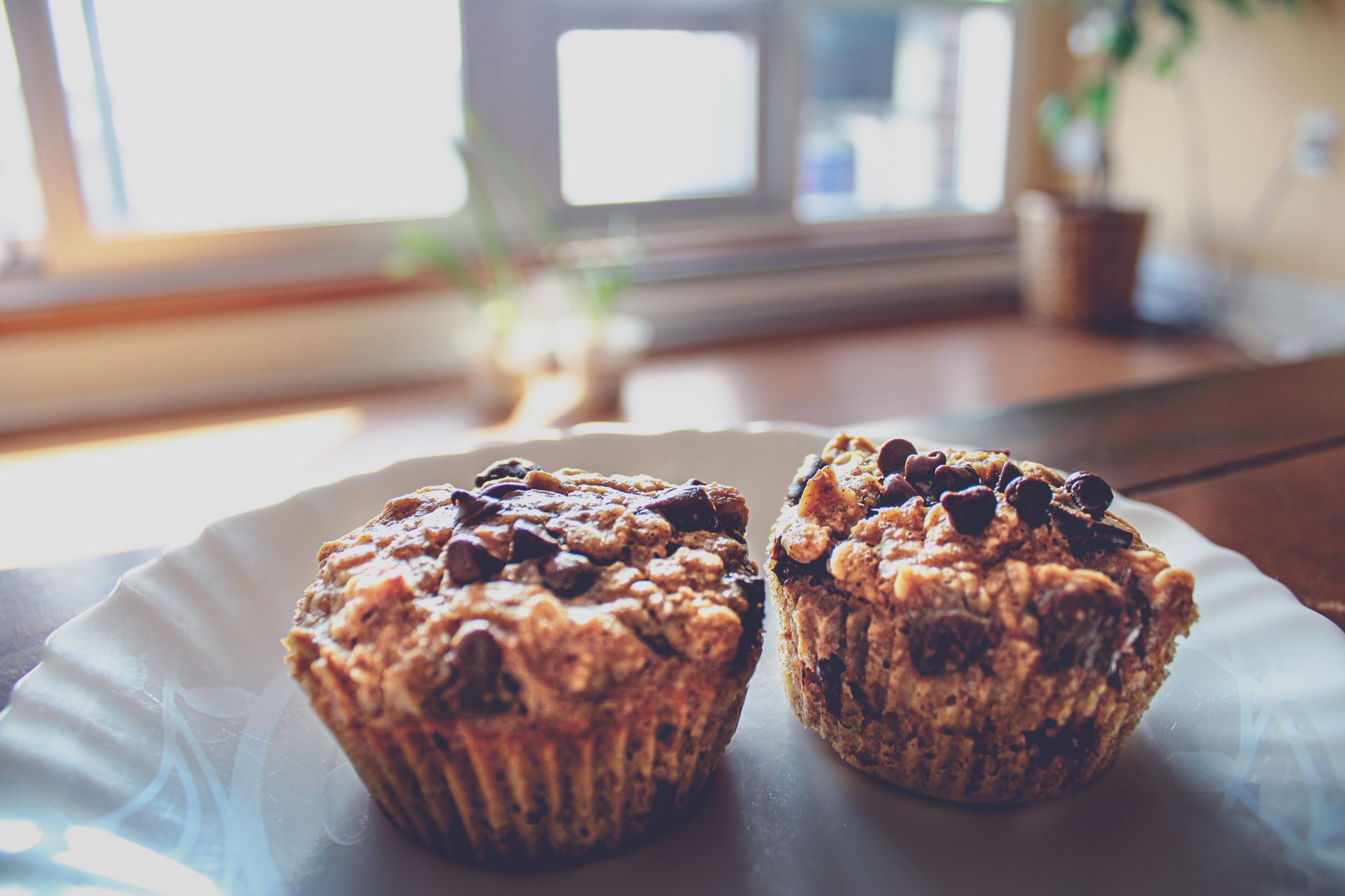
Most muffin recipes are just cake in disguise, but a good Recipe For Morning Glory Muffins is one of the few exceptions worth taking seriously. You get carrots, apple, pineapple, nuts, and coconut all working together, and the result is genuinely filling rather than a sugar spike that drops you by 10am. I’ve made these probably forty times over the last few years, and they’ve become my default when I need something grab-and-go that doesn’t embarrass me nutritionally.
Each muffin runs about 350 calories, which sounds like a lot until you realize it’s carrying 5 grams of protein and 3 grams of fiber. That combination actually keeps you full. Compare that to a plain blueberry muffin from most coffee shops: similar calories, a fraction of the fiber, and no real staying power. Prep takes around 15 minutes, baking is 20 minutes at 375°F, and the batch gives you 12 muffins. That’s a week of breakfasts for two people, or four days if you’re eating solo and hungry.
Key Ingredients for Flavor
Ten core ingredients are what separate this from a generic carrot muffin. You need grated carrot (about 2 cups), grated apple (1 cup), crushed pineapple (drained, half a cup), unsweetened shredded coconut (half a cup), raisins (half a cup), chopped walnuts or pecans (half a cup), all-purpose flour (2 cups), three large eggs, vegetable oil (two-thirds of a cup), and ground cinnamon (2 teaspoons).
The pineapple is the ingredient people skip, and they really shouldn’t. It adds moisture and a mild acidity that keeps the muffin from tasting flat. Drain it well though, or your batter goes soupy. Same rule applies to the carrot: squeeze it lightly in a kitchen towel before it goes in.
Nutritional Breakdown
Per muffin, you’re looking at roughly 350 calories, 5g protein, 3g fiber, 14g fat (mostly from nuts and oil), and about 42g carbohydrate. You also get around 15% of your daily vitamin C, largely from the apple and pineapple. Not trivial for a baked good.
The fiber comes mainly from carrot, apple skin, and coconut. If you swap all-purpose for whole wheat flour, that number nudges closer to 4.5g per muffin, which is worth doing if you can handle a slightly denser texture. The protein is modest but pairs well with a hard-boiled egg or Greek yogurt on the side if you need more.
Step-by-Step Baking Process
Preheat your oven to 375°F and line a 12-cup muffin tin. In a large bowl, whisk together the eggs, oil, and about a third of a cup of brown sugar (or honey if you prefer). In a separate bowl, combine flour, cinnamon, baking soda (1 teaspoon), baking powder (half a teaspoon), and a pinch of salt. Fold the dry into the wet just until combined, then stir in the carrots, apple, pineapple, coconut, raisins, and nuts.
Don’t overmix. Ten or fifteen folds is plenty, because overmixing develops gluten and makes the muffins tough rather than tender. Divide the batter evenly, fill each cup about three-quarters full, and bake for 20 minutes. A toothpick in the center should come out clean. Let them cool in the tin for 5 minutes before moving to a rack.
Variations for Special Diets
For gluten-free, swap the all-purpose flour for a 1:1 gluten-free blend. Bob’s Red Mill and King Arthur both work reliably here; I’ve tested both. Add an extra egg to compensate for reduced structure. For vegan, replace each egg with a flax egg (1 tablespoon ground flaxseed plus 3 tablespoons water, rested 5 minutes) and use neutral coconut oil instead of vegetable oil.
Want lower sugar? Cut the brown sugar to a quarter cup and lean on the natural sweetness from the pineapple and raisins. The muffins come out less sweet but still pleasant, and the calorie count drops by about 20 per muffin. Honestly I’m not sure the trade-off is worth it if you’re serving these to anyone under twelve.
Perfect Pairings for Breakfast
These pair well with something protein-forward, since the muffin itself leans carb-heavy despite the fiber. A cup of Greek yogurt adds around 15-17g protein and rounds the meal out nicely. Black coffee or a flat white works better than orange juice here, given that the muffin already has plenty of fruit sweetness baked in.
If you’re packing these for kids, a small block of cheese alongside keeps them satisfied past morning snack time. From what I’ve seen, that combo holds kids well for three to four hours, which is more than most breakfast options manage.
How to Store Morning Glory Muffins
This Recipe For Morning Glory Muffins stores better than most. At room temperature in an airtight container, muffins stay good for 2 days. In the fridge, you’ll get 5 to 6 days without any quality drop, but wrap them individually in plastic or beeswax wrap first, otherwise the surface dries out fast.
To reheat, 20 seconds in the microwave is usually enough. Any longer and the texture gets gummy. You can also warm them in a 300°F oven for about 8 minutes if you want a slightly crisp top. Freezing works well too (up to 3 months), but thaw overnight in the fridge rather than microwaving from frozen.
FAQs
What are Morning Glory Muffins?
They’re a hearty muffin packed with carrots, apple, pineapple, coconut, and nuts. The original recipe appeared in Gourmet magazine in 1981 and has been a staple ever since.
How can I make them gluten-free?
Substitute a 1:1 gluten-free flour blend and add one extra egg for structure. Most batches bake up nearly identical to the original in texture and flavor.
Can I freeze Morning Glory Muffins?
Yes, they freeze well for up to 3 months. Wrap each muffin individually and thaw overnight in the refrigerator before eating.